34 flute pieces with accompaniments in place from the baroque, classical and romantic repertoires
- 1. Title 1 | Ave Maria arr. flute & piano | Bach J.S. - Gounod C. 4
- 2. Title 2 | Ave Maria arr. flute & classical guitar | Bach J.S. - Gounod C. 5
- 3. Title 3 | Invention 10 arr. flute duet | Bach J.S. 6
- 4. Title 4 | Sinfonia 2 arr. flute & piano | Bach J.S. 7
- 5. Title 5 | Minuet in G arr. flute & piano | Beethoven L. van 8
- 6. Title 6 | Celibrated Minuet arr. flute & piano | Boccherini L. 9
- 7. Title 7 | Celibrated Minuet arr. flute & classical guitar 10
- 8. Title 8 | Nottorno arr. flute & piano | Borodin A. 11
- 9. Title 9 | Lullaby (Weigenlied) Opus 49 arr. flute & piano | Brahms J. 12
- 10. Title 10 | Lullaby (Wiegenlied) arr. wind quartet | Brahms 13
- 11. Title 11 | Waltz in A minor arr. flute & piano | Chopin F. 14
- 12. Title 12 | Après un rêve arr. flute & piano | Fauré G. 15
- 13. Title 13 | Sicilienne arr. flute & piano | Fauré G. 16
- 14. Title 14 | Berceuse (Dolly Suite) arr. flute & piano | Fauré G. 17
- 15. Title 15 | Spanish Dance No.5 arr. flute & piano | Granados E. 18
- 16. Title 16 | Spanish Dance No.5 arr. flute & classical guitar | Granados E. 19
- 17. Title 17 | Andante in C arr. flute & acoustic guitar | Haydn F.J. 20
- 18. Title 18 | Serenade arr. flute, classical guitar & upright bass | Hoffstetter R. 21
- 19. Title 19 | Plaisir d'amour arr. flute & piano | Martini J.P. 22
- 20. Title 20 | Spring Song arr. flute & guitar | Mendelssohn F. 23
- 21. Title 21 | First Movement Divertimento No.3 | Mozart W.A. 24
- 22. Title 22 | Laudate Dominum arr. flute & piano | Mozart W.A. 25
- 23. Title 23 | Galop | Can-Can arr. flute & piano | Offenbach J. 26
- 24. Title 24 | Galop | Can-Can arr. wind quintet | Offenbach J. 27
- 25. Title 25 | Rondeau from Sonata Concertante | Paganini N. 28
- 26. Title 26 | Cantilene arr. flute & piano | Rheinberger J. 29
- 27. Title 27 | The Swan arr. flute & piano | Saint-Saens C. 30
- 28. Title 28 | Minuet and Trio in E arr. flute & piano | Schubert F. 31
- 29. Title 29 | Minuet and Trio in A arr. flute & piano | Schubert F. 32
- 30. Title 30 | Traümerie (Dreaming) arr. flute & piano | Schumann R. 33
- 31. TItle 31 | Chanson Triste arr. flute, acoustic guitar & bass | Tchaikovsky P.I. 34
- 32. Title 32 | Valse Sentimentale arr. flute & piano | Tchaikovsky P.I. 35
- 33. Title 33 | Neapolitan Song arr. flute & piano | Tchaikovsky P.I. 36
- 34. Title 34 | October arr. flute & piano | Tchaikovsky P.I. 37
Ave Maria arr. flute & piano | Bach J.S. - Gounod C.
One of the most recognisable melodies from the repertoire often played at weddings
Ave Maria | BG | piano C no repeat (63bpm 256kbps)
Ave Maria (BG) piano C no repeat (66bpm 256kbps)
Ave Maria (BG) piano C no repeat (68bpm 256kbps)
Ave Maria (BG) piano C no repeat (70bpm 256kbps)
Ave Maria (BG) piano C no repeat (72bpm 256kbps)
Ave Maria (BG) piano C no repeat (74bpm 256kbps)
In this arrangement of the Bach - Gounod “Ave Maria” from PlentyMusic for flute and piano Gounod’s melody is played by the flautist while the Bach Prelude No. 1 is played by the pianist. The music has is in the key of C. There is no definitive edition of the work and there are countless melodic variants so do expect to hear the movement played differently. Gounod’s arrangement has an extra bar (bar 27) than Bach’s original Prelude in C which has a total of 35 bars. In Gounod’s arrangement the first 4 bars are repeated making it 40 bars long. Gounod’s melody if time allows should be internalised by the flautists so that players they can concentrate on the tonal and interpretative aspects of their performance which in time will enable them to make the movement their own. The performance focus should always be on communicating the beauty of the melody in a legato singing style. The music editor suggests avoiding any exaggerated playing or eccentricities from the ornamentation point of view. There are many different interpretations of the Gounod arrangement particularly as to how the dotted notes are played and the pick-up or anacrusis notes in the section from bar 23 to bar 28. There are as many different endings to the movement as there are performances - deciding how the last 4 notes /4 bars are to be played is a topic in itself. In making a decision players should essentially consider the range of the instrument they are playing. Some of the tied notes can be/and are untied in the closing section particularly by brass players and other instrumentalists playing at a slow tempo. The best advice is to listen to contemporary practice and on the basis of the evidence make your own decision. Rhythmically the accompaniment needs to be played by the pianist in an even and as controlled way as possible. Pianists will need to make use of the sustaining pedal and its use is indicated in the opening bars and the pattern although not indicated should continue through the movement. The best rule to follow when using the sustaining pedal is simply not to over use the pedal and obscure the clarity of the harmony. Piano accompaniments are available as mp3 downloads playing at 63, 66, 68, 70 and 72 beats per minute (bpm). Pitch is at A = 440 hertz and the recording quality is 256kbps which will allow the recordings to be amplified and used in performances, teaching and practice contexts. Originally published as a Meditation on Prelude No. 1 by J. S. Bach the music appeared in 1859 with a text setting of the Latin prayer “Ave Maria” which has become widely known and performed both as an instrumental and vocal solo. Whilst Bach is a baroque composer Gounod, a French composer, known particularly for his operas belongs to the romantic period in music history. The movement is frequently performed at weddings and funerals as well as being an excellent concert piece. As this movement is so familiar to audiences performers cannot afford to even go near playing a wrong note never mind actually playing one!

Ave Maria arr. flute & classical guitar | Bach J.S. - Gounod C.
This beautiful melody arranged for flute with a classical guitar accompaniment
Ave Maria | BG | classical guitar C no repeat (63bpm 256kbps)
Ave Maria | BG | classical guitar C no repeat (66bpm 256kbps)
Ave Maria | BG | classical guitar C no repeat (68bpm 256kbps)
Ave Maria | BG | classical guitar C (no repeat (70bpm 256kbps)
Ave Maria | BG | classical guitar C no repeat (72bpm 256kbps)
Ave Maria | BG | classical guitar C no repeat (74bpm 256kbps)
In this arrangement of the Bach - Gounod Ave Maria from PlentyMusic for flute and classical guitar Gounod’s melody is played by the flautist while the Bach Prelude No.1 is played by the guitarist. There is no definitive edition of the work and there are countless melodic variants so do expect to hear the movement played differently particularly in respect to the last four bars. There are two guitar accompaniments currently available on the PlentyMusic website for the classical guitarist to play. The accompaniment that features in this arrangement is a transcription of Bach’s Prelude copied as literally as possible from the original J.S. Bach score although a competent guitarist may choose to edit this where it is appropriate. Gounod’s arrangement has an extra bar (bar 27) than Bach’s original Prelude in C which has a total of 35 bars. In Gounod’s arrangement the first 4 bars are repeated making it 40 bars long without a repeat. Rhythmically the accompaniment needs to be played on the classical guitar in an even and as controlled way as possible. There are many different interpretations of the Gounod arrangement particularly as to how the dotted notes are played and the pick up or anacrusis notes in the section from bar 23 to bar 28. Guitar accompaniments are available playing at 63, 66, 68, 70 and 72 beats per minute (bpm). Pitch is at A = 440 hertz and the recording quality is 256kbps which will allow the recordings to be amplified and used in performances. The guitar accompaniments available in are essentially a copy of the piano accompaniment. This is available as a separate download. Originally published as a Meditation on Prelude No. 1 by J. S. Bach the music appeared in 1859 with a text setting of the Latin prayer “Ave Maria” which has become widely known and performed both as an instrumental and vocal solo. Whilst Bach is a baroque composer Gounod, a French composer, known particularly for his operas belongs to the romantic period in music history. The movement is frequently performed at weddings and funerals as well as being an excellent concert piece. As this movement is so familiar to audiences performers cannot afford to even go near playing a wrong note never mind actually playing one!
Invention 10 arr. flute duet | Bach J.S.
This Bach duet is in place to encourage good listening and intonation.
Invention No.10 | flute duo no ornaments (072bpm 128kbps)
Invention No.10 | flute duo no ornaments (076bpm 128kbps)
Invention No.10 | flute duo no ornaments (080bpm 128kbps)
Invention No.10 | flute duo no ornaments (084bpm 128kbps)
Invention No.10 | flute duo no ornaments (088bpm 128kbps)
Invention No.10 | flute duo no ornaments (092bpm 128kbps)
Invention No.10 | flute duo no ornaments (096bpm 128kbps)
Invention No.10 | flute duo no ornaments (100bpm 128kbps)
Invention No.10 | flute duo no ornaments (104bpm 128kbps)
Invention No.10 | flute duo no ornaments (108bpm 128kbps)
J.S.Bach’s Invention 10 BWV 781 in an arrangement for flute in the original key of G is a challenging invention to play simply from how the players decide to articulate the notes. The realisation plays back at 96 dotted quarter (crotchet) note beats to the minute.
It is interesting to observe the approaches to playing this movement. Many play the invention articulating the eighth note or quavers staccato while others play the movement with a legato touch. The former approach requires a lightness of touch and can be a challenging to play because of the tension created. The music editor’s view is that a combination of articulations should feature in a performance with eighth or quaver notes played with a staccato touch and longer notes legato. Certainly a lightness in the playing needs to prevail.
Players should listen to performances of this invention on streaming media to understand the different approaches that players have when performing this movement. Remember also that movements cannot be played quickly until they be played slowly!
In the video score, ornaments are indicated by symbols but do not sound in the playback. For instrumentalists wishing to incorporate ornamentation into their performances refer to the piano realisation featured on our YouTube channel which has the ornamentation written out exactly as the music editor suggests they should be played.
https://youtu.be/xuQK5i2lf44
Ornamentation is an aspect of performance that invites different and frequently contrasting interpretations. Bach’s music belongs to the baroque era and whilst the composer himself was quite clear about the ornaments he used and how they should be played later editors of his music have often added to original intentions. The Inventions are also probably best studied in the first instance without ornaments in place.
An additional factor is that the intended instrument on which the inventions were played, the harpsichord, is one that does not feature sustained sounds. Long notes as such require some sort of addition, hence the need for ornamentation.
Another view or approach to ornamentation is that apart from adding to the music they should have a sense of being improvised.
The music editor has chosen not to double ornaments where they occur in both voices simply because it lessens the contrast in the parts.
Accompaniments are in place allowing flautists players to participate in ensemble activities as part of practice routines. Flute 1 sounds on one side of the stereo channel and Flute 2 on the other. The accompaniment tracks play back at 72, 76, 80, 84, 88, 92, 96 100 104 and 108 dotted quarter note (crotchet) beats per minute. Accompaniment backing tracks are recorded with a dry acoustic to encourage accuracy in playing. There is two bar count in /click track at the beginning of the accompaniment tracks. There are three dotted quarter or crotchet beats to the bar indicated by the 9/8 time signature.
Should more accompaniments be required at either slower or faster tempi please advise the PlentyMusic office.
Whilst the ornaments are indicated in the sheet music score they do not sound in the accompaniment scores. For those intending to play the ornaments refer to the piano sheet music video on our YouTube channel. In this score the ornaments have been written out as they should be played. https://youtu.be/xuQK5i2lf44
The Bach Inventions are generally considered to be intermediate level movements when played on a keyboard instrument.
The principle behind J. S. Bach’s two part inventions is to take a musical idea or motive and then process it following the rules of good contrapuntal writing using the compositional processes of the baroque and at the same time referencing the closely related keys in the key system. Inversion, repetition, sequence, transposition, rhythmic augmentation and diminution amongst processes are evident in Bach’s inventions as most other music of the baroque period.
J. S. Bach composed 15 Inventions in a collection dating from 1723 intended to introduce keyboard players to composition techniques of the baroque. They are excellent pieces for developing a sound and secure technique.
Sinfonia 2 arr. flute & piano | Bach J.S.
A Bach piece with imitation & musical lines to follow
Sinfonia 2 | piano voices 2 + 3 (56bpm +128kbps)
Sinfonia 2 | piano voices 2 + 3 (58bpm +128kbps)
Sinfonia 2 | piano voices 2 + 3 (60bpm +128kbps)
Sinfonia 2 | piano voices 2 + 3 (62bpm +128kbps)
Sinfonia 2 | piano voices 2 + 3 (64bpm +128kbps)
J.S. Bach's Sinfonia 2 BWV 788 in an arrangement for flute & piano. The flautist plays the highest voice in the arrangement whilst the accompanying piano part sounds voices 2 & 3.
The realisation playback at 60 dotted quarter note or crotchet beats to the minute.
In this version ornaments have been omitted.
Playing the relevant minor scale in all its forms natural, harmonic and melodic would be excellent preparation for playing this sinfonia. Find scales in the free scores drop down menu on the website home page.
The voice leading in this sinfonia is not altogether straightforward and players will need to pay attention to the accidentals in the score possibly adding reminders if required. Conflicting accidentals often appear in different voices in the same bar.
A sinfonia that features arpeggios and scale runs with the rhythmic shapes in the lines having a strong repetitive element. The note values given in Bach’s Sinfonias often give an indication of intended articulations that are intended. Players should be aiming for a singing legato in their playing.
The movement needs to be played, in the first instance, with an awareness of the patterns of 3 in the 12/8 time signature (4x3 to the bar).
Accompaniments are in place playing at 56, 58, 60, 62 & 64 dotted quarter note (crotchet) beats per minute (bpm). They feature the piano sounding voices 2 & 3 of the arrangement
enabling the flautist to enjoy ensemble music as part of routine practice. There is a one bar click track sounding on the woodblock as an intro on the mp3 tracks.
It is important to keep to the written note durations. There are also some ambiguities in the voicing in the score that reference that the sinfonias were composed for an instrument with more than one keyboard – the harpsichord.
Rests have been indicated in the voices as they are in the keyboard version of the works
Some of the rhythmic notation particularly with regards to the use of rests is ambiguous. Logic and rules do not universally apply. What tends to be in place is what is good for the eye.
The 3 part Sinfonias and 2 part Inventions are excellent movement for developing listening skills and good intonation in an ensemble playing context.
The Sinfonias are works conceived for three voices and feature compositional processes very much associated with Bach’s contrapuntal writing namely: repetition, inversion, imitation, augmentation, diminution. In these works the closely related keys of the dominant, sub- dominant, relative minor are explored
The movement should not be played too quickly. The music editor’s advice is that players need to be clear in their intention as far as the articulation of the lines and the dynamics. Whilst a movement that needs to be played with control there also needs to be a lightness of intention in the playing approach.
PlentyMusic arrangements provides music practice opportunities & experiences to instrumentalists of playing along with other instruments preparing the way for quality ensemble playing.
Minuet in G arr. flute & piano | Beethoven L. van
A classical minuet dating from 1796 orginally composed for piano and found in the composer's catalogue described as works without opus numbers
Minuet in G piano G (100|110|100bpm 256kbps)
Minuet in G piano G (104|116|104bpm 256kbps)
Minuet in G piano G (108|116|108bpm 256kbps)
Minuet in G piano G (110|120|110bpm 256kbps)
A very appealing and familiar movement from the treasure trove of Beethoven’s works WoO (Without Opus number) Originally composed for orchestra, the manuscript was lost and the music has essentially been reconstructed from a piano arrangement. It is a melodic movement full of character and humour and this arrangement is for flute with piano accompaniment. In performance the Minuet is played with repeats followed by the Trio section marked più mosso again with repeats. Finally, the first Minuet is repeated but this time without repeats. A rit. (slowing down) at the end of the two main sections (minuet and trio) is appropriate. The music editor urges those auditioning this piece to listen to performances featuring different soloists get a clear vision of how the movement can and should be played. It is a Beethoven piece that frequently is played badly. A tempo of 110 quarter note (crotchet) beats to the minute is suggested for the first Minuet section and a tempo of 120 quarter note (crotchet) beats to the minute is suggested for the Trio section. Accompaniments are available for this score with a four bar count in played on a two sounds of the wood block. Because of the tempo changes and the upbeat in the solo part there is a two beat click between the sections. Wood block sounds are recorded on one side of the stereo channel so that the sound can be silenced. Accompaniment 1 has a tempo of 104 quarter note (crotchet) beats for the Minuet and 110 for the Trio section, Accompaniment 2 has a tempo of 108 quarter note (crotchet) beats for the Minuet and 116 for the Trio section, Accompaniment 3 has a tempo of 110 quarter note (crotchet) beats for the Minuet and 120 for the Trio section. This score was reviewed, revised with accompaniments added in 2020. A flute part is appended to the music score.
Accompaniment 1 has a tempo of 100 quarter note (crotchet) beats for the Minuet and 110 for the Trio section, Accompaniment 2 has a tempo of 104 quarter note (crotchet) beats for the Minuet and 116 for the Trio section, Accompaniment 3 has a tempo of 108 quarter note (crotchet) beats for the Minuet and 116 for the Trio section and Accompaniment 4 has a tempo of 110 quarter note (crotchet) beats for the Minuet and 120 for the Trio section. This score was reviewed with accompaniments added in 2022.
Celibrated Minuet arr. flute & piano | Boccherini L.
A classical minuet by an Italian composer who lived & worked in Spain
Celibrated Minuet piano A no repeats (088bpm 128kbps)
Celibrated Minuet piano A no repeats (092bpm 128kbps)
Celibrated Minuet piano A no repeats (096bpm 128kbps)
Celibrated Minuet piano A no repeats (100bpm 128kbps)
Celibrated Minuet piano A no repeats (104bpm 128kbps)
Celibrated Minuet piano A with repeats (088bpm 128kbps)
Celibrated Minuet piano A with repeats (092bpm 128kbps)
Celibrated Minuet piano A with repeats (096bpm 128kbps)
Celibrated Minuet piano A with repeats (100bpm 128kbps)
Celibrated Minuet piano A with repeats (104bpm 128kbps)
In the original key of A major the realisation plays back at 96 quarter note beats to the minute.The Minuet is taken from Boccherini's String Quartet Opus 11 No.5
The small notes which are in the string quintet score do not sound in the realisation for flute and piano but can be played.
Ossia staves are in place on the sheet music score showing how the ornaments can be played.
In both the playback score and the sheet music video repeats are played.
The melodic line especially in the first Minuet demonstrates all the essential elements of classical style. In fact this movement offers much to learn about many performance aspects of playing a minuet. Formally the repeats are played in the Minuet and Trio but not in the repeat of the first Minuet after the Trio. A performance would typically be a follows: Minuet 1 AABB Trio AABB Minuet 1 AB (without repeats)
The repetitive element is strong in the first Minuet structured on 2 bar motifs or shapes in a regular phrase pattern. Whilst the minuet was a dance form this music is a stylised representation of the form not intended as a dance. Two section binary form AB is in place in both the Minuet and Trio
The first Minuet is very much about melody and accompaniment whilst the second Minuet or Trio is an interesting movement because it embraces ensemble playing with much sharing of material between the parts.
Both staccato and legato articulations need to be demonstrated in a performance
Boccherini was in a perfect moment when he composed the movement which possesses many of the elements of classical style
Accompaniments are in place playing with and without repeats at 88, 92, 96,100 & 104 quarter note (crotchet) bpm.
The first Minuet is in the key of A and at the end of the first A section the key of the dominant E is established. The B section of the Minuet explores the tonic minor before returning to the music of the opening section in the home key of A. The first section is 8 bars long and the second 12 bars (4+8)
The second Minuet or Trio is in the key of the subdominant D. Similarly there is a modulation to the dominant at the end of the first section before a return to the home key. The phrase structure of the Trio is quite symmetrical 8 bars in the fist and 16 bars in the second section.
Both minuets begin with an anacrusis or upbeat.
For any student of composition student this is an excellent movement for analysis. There are some lovely composition ideas and Boccherini's compositional approach is both concise and innovative with syncopation and a sense of drama and purpose. For both the listener and the performer this composition has much to offer.
Celibrated Minuet arr. flute & classical guitar | Boccherini L.
A familiar minuet from the classical era popularised in the 1955 film "The Ladykillers"
Celibrated Minuet classical guitar G (096bpm 128kbps)
Celibrated Minuet classical guitar G (100bpm 128kbps)
Celibrated Minuet classical guitar G (104bpm 128kbps)
One of the most familiar pieces of the classical repertoire composed by the Italian composer, Luigi Boccherini.
who spent a good part of his working life working in Spain. The work originates as part of his string quintet Opus 11 No.5. In this arrangement flute and classical guitar the musical texture has been simplified although the melody is exactly as intended whilst the voicing of the guitar chords has been edited. This is an excellent and concise movement for any musician needing to have a clear understanding of classical style and the structure of the classical minuet. The realisation has all the indicated repeats played except in the repeat of the minuet when the convention is for them not to be played. The formal pattern or shape can be represented as Minuet AABB Trio AABB Minuet AB. The Trio is a second minuet and described thus because it generally has a three part texture. this particular example four instruments are sounding. The ornaments have been written out in full, on an ossia staff, to assist players and if a TAB score is required please message PlentyMusic. This movement requires a performance that is both delicate and consistent which can be challenging to players not very experienced in playing music of the period. A tempo of 100 quarter note (crotchet) beats to the minute is recommended. Guitar accompaniments are in place sounding at 96,100 & 104 quarter note beats to the minute.
Nottorno arr. flute & piano | Borodin A.
An arrangement of a movement that has its origins in a string quartet
Notturno piano A (68bpm 128kbps)
Notturno piano A (70bpm 128kbps)
Notturno piano A (72bpm 128kbps)
This arrangement for flute with piano accompaniment uses the first theme from the third movement of Borodin’s String Quartet No. 2 in D commonly referred to as “Notturno” meaning night piece. It is a very melodic movement and like much of Borodin’s music is very adaptable to being played by a number of different instrument combinations. Some octave transpositions have been applied to the parts, in fact the solo player may want to adjust the position of the octave transposition in bar 72. A tempo of 70 quarter note beats to the minute is used in the realisation. There are 4 sections in the arrangement – theme, repeat of the theme repeated with a varied and fuller accompaniment, the theme played in canon and a closing section which can best be be described as a coda. Wherever possible material from the original work, which dates from 1881, has been incorporated into the arrangement. The appoggiaturas that appear in the string quartet score have been omitted. A flute part is appended to the full score.
Lullaby (Weigenlied) Opus 49 arr. flute & piano | Brahms J.
A melody familiar to all presented in this arrangement with a piano accompaniment
Lullaby (Weigenlied) piano Eb (72bpm 256kbps)
Lullaby (Weigenlied) piano Eb (76bpm 256kbps)
Lullaby (Weigenlied) piano Eb (80bpm 256kbps)
Lullaby (Weigenlied) piano Eb (84bpm 256kbps)
Lullaby (or Cradle Song) by J. Brahms is a famous and familiar melody from the classical music repertoire. In this arrangement for flute with piano accompaniment the sounding key is Eb and the PlentyMusic video sheet music score plays back at 80 quarter note (crotchet) beats to the minute.
One of the most beautifully shaped and sounding melodies to be found in the history of Western notated music. A movement that needs to be played and communicate simplicity even though there is a hint of something a little more complex in the lilting accompaniment.
Improve music practice strategies with PlentyMusic pdf sheet music and mp3 accompaniment downloads playing at 72, 76, 80, 84 and 88 quarter note (crotchet) beats to the minute with each being introduced by a two bar click beat. These are available from the PlentyMusic website. The piano accompaniments available are not as nuanced as an accompanist but do provide the opportunity for preparation for performance.
The melody needs to be played legato and there is opportunity to use rubato or robbed time which is associated with the performance of music from this time in music history.
As a song intended to be sung by a different range of voices the music is often transposed to a key most appropriate for the voice. When setting the music for performance by a solo instrument there is often a choice of key options for that particular instrument. Where appropriate the music editor has made more than one option available.
There are also wide variations in tempo as to how the music is performed. The music editor suggests at least learning the movement at a tempo of 80 quarter note (crotchet beats) to the minute.
This is an excellent performance piece that can be played at a range of tempi and players should experiment with the tempo particularly in different acoustics and venues. As a familiar melody it needs to be learnt thoroughly and is an excellent piece for the soloist to memorise.
This is a movement inviting interpretation during a performance. Players need to consider articulation, dynamic range and matters of tempo in their performances. An awareness of tempo rubato and its relevance to music performance in the romantic period would also be a valuable practical consideration. Pianists should be aiming for a legato touch in their playing and while use of the sustaining pedal is recommended markings are not indicated in the score.
Formally the pattern of the music can be described as binary represented as ABAB
The ornaments have been incorporated into the sheet music in the notation to add clarity of intention.
Analysis reveals the simplicity of the movement from the harmonic point of view. The tonic, mediant, sub-dominant, dominant 7th and sub mediant chords in the scale all feature in either root position or an inversion. Analysis will help clarify how composers were so the reliant on the cycle of fifths at this particular time in music history.
Brahms is an important and significant romantic composer associated with many large scale choral and instrumental works. Most of his music is technically very challenging to play. This song arrangement requires a relatively basic technique and is an excellent introduction to playing his music.
Brahms was a family friend of the Schumann family and the connections between them are often referenced in commentaries, music works and performances.
For those who have the time, skill set and above all the imagination working the melody with a different accompaniment and stylistic approaches can be a rewarding and broadening musical experience.
Re-invention is an important aspect of music making and PlentyMusic would be keen and willing to both listen and publish work in this category.
Lullaby (Wiegenlied) arr. wind quartet | Brahms
One of the most recognisable melodies from the repertoire that invites arrangements for different instrument combinations
Lullaby (Weigenlied) wind quartet F (72bpm 256kbps)
Lullaby (Weigenlied) wind quartet F (76bpm 256kbps)
Lullaby (Weigenlied) wind quartet F (80bpm 256kbps)
Lullaby (Weigenlied) wind quartet F (84bpm 256kbps)
Lullaby (Weigenlied) wind quartet F (88bpm 256kbps)
Lullaby by J. Brahms is a famous and familiar melody from the classical music repertoire. In this arrangement for wind quartet comprising flute, oboe, clarinet in Bb and bassoon sounding in the key F with the PlentyMusic realisation of the sheet music score playing back at 76 quarter note (crotchet) beats to the minute. The free sheet music score available from PlentyMusic has individual parts appended to the full score. Wind players can view and hear the video sheet music score on our YouTube channel.
One of the most beautifully shaped and sounding melodies to be found in the history of Western music. A movement that needs to be played and communicate simplicity even though there is a hint of something a little more complex in the lilting accompaniment.
Improve music practice strategies with PlentyMusic pdf sheet music and mp3 accompaniment downloads playing at 72, 76, 80, 84 and 88 quarter note (crotchet) beats to the minute with each being introduced by a two bar click beat. These are available from the website. The function of these accompaniments is to provide an ensemble playing experience for flute players in a home studio situation. The oboe and clarinet in Bb parts are quite challenging to play and so an introductory 2 bar wood block introduction can be heard on the accompaniment mp3.
The melody needs to be played legato and there is opportunity to use rubato or robbed time which is associated with the performance of music from this time.
There are wide variations in tempo as to how the music is performed. The music editor suggests learning the movement at a tempo of 80 quarter note (crotchet beats) to the minute.
This is an excellent performance piece that can be played at a range of tempi and players should experiment with the tempo particularly in different acoustics and venues. As a familiar melody it needs to be learnt thoroughly and is an excellent piece for the flute player to memorise.
This is a movement inviting interpretation during a performance. Players need to consider articulation, dynamic range and matters of tempo in their performances. An awareness of tempo rubato and its relevance to music performance in the romantic period would also be a valuable practical consideration.
Formally the pattern of the music can be described as binary represented as ABAB
The ornaments have been incorporated into the sheet music in the notation to add clarity of intention.
Analysis reveals the simplicity of the movement from the harmonic point of view. The tonic, mediant, sub-dominant, dominant 7th and sub mediant chords in the scale all feature in either root position or an inversion. Analysis will help clarify how composers were so the reliant on the cycle of fifths at this time in music history.
Brahms is an important and significant romantic composer associated with many large scale choral and instrumental works. Most of his music is technically very challenging to play. This song arrangement requires a relatively basic technique and is an excellent introduction to playing his music.
Brahms was a family friend of the Schumann family and the connections between them are often referenced in commentaries, music works and performances.
For those who have the time, skill set and imagination working the melody with a different accompaniment and stylistic approach can be a rewarding and broadening musical experience.
Re-invention is an important aspect of music making and PlentyMusic are keen and willing to both listen and publish work in this category.

Waltz in A minor arr. flute & piano | Chopin F.
A work by Chopin not published until 1860 that dates from the last 2 years of the composer's life
Waltz piano Am no repeats (128bpm 128kbps)
Waltz piano Am no repeats (132bpm 128kbps)
Waltz piano Am no repeats (136bpm 128kbps)
A gentle lilting movement with a suggested tempo of 132 quarter note beats (crotchet) to the minute which is used in the realisation. This piece needs a needs to be played with a slight speeding up and slowing down of the tempo at appropriate places in the score which is described as tempo rubato and features in much of the best Chopin playing. Understand that the realisation doesn't apply rubato in a totally satisfactory way. The octave section that features in the melody of the piano score has not be transferred to the instrument writing in the arrangements. In Bar 21 the triplet option sounds in the realisation whilst the trill in the penultimate bar begins on the lower note and in the realisation 7 notes are sounded. The original piano work does have some additional ornaments which the performer may wish to consider adding after studying the solo piano score. The repeats are also played in the realisation. The solo flute part is also appended to the full music score. Piano accompaniments, without repeats, playing at 128, 132 and 136 bpm are in place.

Après un rêve arr. flute & piano | Fauré G.
Familiar as a French song this melody is also known as a solo instrumental
Après un rêve piano Cm (54bpm 128kbps)
Après un rêve piano Cm (56 bpm 128kbps)
Après un rêve piano Cm (58 bpm 128kbps)
Après un rêve piano Cm (60bpm 128kbps)
The piece has its origins as a song composed in the key of the key of C minor published in 1878 and is one of the composers most beautiful and popular melodies. This is an excellent piece for developing tonal quality and the melody needs to be played with a singing expressive legato. A tempo of 56 quarter note (crotchet) beats to the minute has been used in the realisation. The accompanist will need to make use of the sustaining pedal although this is not indicated and the score does require careful study in respect to the reading of the chromatic harmony. Fauré as a pianist and accompanist was very much regarded as something of a metronome and not considered to be very sympathetic to singers of his songs particularly when they added subtlety and nuance at the end of phrases. It would be beneficial to spend time reading through the lyrics for the song in translation to have an understanding of the music’s context. A solo flute part of this intermediate version is appended to the full score. Accompaniments are available and play at the following tempi (1) 60 (2) 58 (3) 56 quarter note beats to the minute. There is a great range in the tempo that musicians both sing and play this movement and if the accompaniments available do not meet your requirements simply provide us with an annotated pdf score with the tempi score detail that you require and PlentyMusic will provide a bespoke accompaniment.
Sicilienne arr. flute & piano | Fauré G.
Whilst composed in the last decade of the 19th century the rhythmic template is from earlier times
Sicilienne piano Gm treble clef instrument (50bpm 128kbps)
Sicilienne piano Gm treble clef instrument (54bpm 128kbps)
Sicilienne piano Gm treble clef instrument (58bpm 128kbps)
Sicilienne piano Gm treble clef instrument (46bpm 128kbps)
Sicilienne piano Gm treble clef instrument (48bpm 128kbps)
Sicilienne piano Gm treble clef instrument (52bpm 128kbps)
Faure’s Sicilienne is one of the most beautiful melodies of the repertoire. A sicilienne is a slow tempo movement usually in a minor key with lilting rhythmic patterns and dotted notes enabling it to be described as a slow jig. This movement dates from 1893 and exists in several different arrangements. Fauré’s music possesses subtlety and he has a great awareness of instrument colour even though he preferred others and often his students to orchestrate his music. Careful attention needs to be paid to the reading of accidentals as frequently different voices are sounding in what seem to be conflicting versions of a note. This is attributable to the modal element that it is a strong component of Fauré’s music. Apart from this, attention needs to be made to the reading of the notes and the score detail particularly in respect to knowing which notes are tied. In preparing scores the most appropriate range of the solo instrument is explored and consequently different arrangements for different instruments explore different octave ranges. The sustaining pedal is required when playing the accompaniment and has been indicated generally only at the beginning of scores. The realisation plays at a tempo of 50 dotted quarter notes to the minute. A solo instrumental part is appended to the full score. The middle section in this ternary form movement is essentially a lullaby. Piano accompaniments are in place playing at 46, 48, 50, 52 and 54 dotted quarter note (crotchet) beats to the bar. Performance of this music needs to be controlled and secure. Careful reading of the notes and understanding of all the lines in the music need to be understood and in some cases unravelled! Music that has a modal element tends to be melancholy in character and something of a listening challenge because it sounds different. The plus side is that music with a modal element lends itself to contemporary interpretations and modern instrumentations. The textures are always so considered in Fauré’s music. As a composer he offers a different and unique listening and performing experience. Sadly like many he had the inventiveness to compose much more but responsibilities and the need to earn a living prevented him from doing this. Composing was often limited to the summer months with him often working in isolation. This score was reviewed and updated in November 2025
Berceuse (Dolly Suite) arr. flute & piano | Fauré G.
An arrangement of a piece that originates as a piano duet from the composer's Dolly Suite
Berceuse | Dolly Suite piano E (64bpm 128kbps)
Berceuse | Dolly Suite piano E (68bpm 128kbps)
Berceuse | Dolly Suite piano E (72bpm 128kbps)
Berceuse | Dolly Suite piano E (76bpm 128kbps)
A charming and quite beautiful piece which has been arranged for many different instrument combinations although its origins are as a piano duet. A berceuse is a lullaby or cradle song so a gentle lilting approach is a required with nothing happening abruptly. The realisation plays at 69 quarter note beats to the minute. When performing this music there is an opportunity to slow down at the ends of phrases and then return to tempo at the start of the next phrase. Markings to indicate this are not included in the score. Pedalling has been indicated in the piano score. The sustaining pedal is put down as the first sound at the beginning of the bar is being played and lifted on the second beat of the bar. Additional pedalling can be added even though it might not be indicated on the score but it should never muddy the texture and lines of the music. The modal element that features in much of Faure's music is also evident. This arrangement explores the melody in the lower octave range with tenuto markings included in the score. A flute part is appended to the full score. Piano accompaniments are also available. Accompaniment 1 plays at 68 quarter note beats (crotchet) to the minute, Accompaniment 2 at 72 quarter note (crotchet) beats to the minute and Accompaniment 3 at 76 quarter note beats (crotchet) to the minute.

Spanish Dance No.5 arr. flute & piano | Granados E.
Granados's dance captures the spirit of the Spanish style and idiom in a stunning and very popular movement
Spanish Dance No. 5 piano Em (47|94|47bpm 256kbps)
Spanish Dance No. 5 piano Em (50|100|50bpm 256kbps)
Spanish Dance No. 5 piano Em (53|106|53 256kbps)
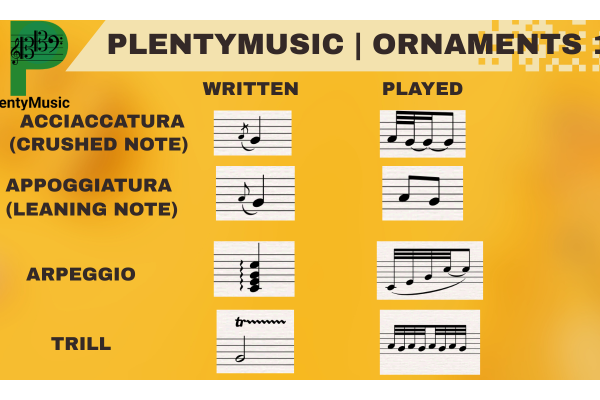
Spanish Dance No. 5 by E. Granados from PlentyMusic arranged for flute with piano accompaniment. A flute part is appended to the full score which is available as a pdf. Piano accompaniments are available playing at 47|94|47, 50 |100|50 and 53|106|53 beats to the minute. This popular and appealing intermediate level movement dates from 1890 and its use of the phrygian scale gives it a characteristic Spanish identity. Granados (1867 - 1916) was a Catalan composer and his 12 Spanish Dances date from 1890. His music identifies so much with the sound world of Spain and he is often described as a nationalist composer. Interestingly much of his music is more familiar to audiences transcribed for classical guitar. Changing time signatures are a feature of the movement, with an emphasis on the second beat of the bar and the use of accents and pauses. Ostinato is a term that could be used to describe the accompaniment figuration that features strongly in the movement. An ostinato is a repeating pattern usually repeated through a composition. Both acciaccaturas (crushed notes) and appoggiaturas (leaning notes) feature in the arrangement. The Spanish Dance No. 5 is a very appealing work in ABA (ternary form) which was very much the composing default for instrumental compositions for the time described as the late romantic or nationalist era in music history. The tempo indication given by the composer in the piano score is Andantino, quasi Allegretto indicating a pulse of slightly more than a walking pace with the middle section marked Andante. These markings possibly suggest the music should be played at a faster tempo than demonstrated in the realisation which plays back at a tempo of 50|100|50 beats to the minute. The first and last section are in 6/8 time whilst the Andante B section is in 3/4 time. The slowing downs at the end of phrases and the return to a tempo or tempo primo are not indicated or marked in the music score although they are an important and necessary aspect of any performance as is the use of tempo rubato. Pauses which are often introduced in a performance also are not indicated in the accompaniments and realisations. This is a great movement for instrumental players to explore tempo. Ideally the first and last section should also be played at the same tempo adding an additional performance challenge. The music can be played and given a more dance like character if some of the melodic notes are played staccato. The music editor suggests that this is an aspect of performance that can be explored although the suggestion is that playing should never be too exaggerated. The last note in the arrangement can possibly be omitted. The music editor suggests it is in place as the dominant note of the succeeding Spanish Dance No. 6. Representing the Spanish musical elements in the staff notation system is a challenge and clearly some comprises are needed particularly in respect to the notation of scales, harmonic colour, dynamics, tempo and ornamentation. The essential elements of Spanish music are its dramatic character often achieved by modal shifts from minor to major and vice versa, its use of the phrygian scale and rhythms derived from the popular dance rhythms of its diverse and rich culture. When music that identifies with a country or region is presented in a notated music score there are comprises to be made in respect to representing the musical elements. The music editor always suggests listening to performances of music to have an understanding particularly of contemporary practice. Performers should also understand that there are some ambiguities, contradictions and often errors in the available printed music scores. This is an appealing piece of music with many challenges from the performance, music setting and analysis point of view. The composer was clearly challenging the musical boundaries of his time in respect to how the music of his nation could be represented as notated music.
Spanish Dance No.5 arr. flute & classical guitar | Granados E.
Spanish Dance this time accompanied by the classical guitar an instrument very much associated with the playing of Spanish music
Spanish Dance No. 5 classical guitar 2 Em (47|94|47 256kbps)
Spanish Dance No. 5 classical guitar 2 Em (50|100|50bpm 256kbps)
Spanish Dance No. 5 classical guitar 2 Em (53|106|53bpm 256kbps)
Spanish Dance No. 5 by E. Granados from PlentyMusic arranged for flute with classical guitar accompaniment sounding in the key of E minor. A flute part is appended to the full score which is available as a pdf. Guitar accompaniments are available playing at 47|94|47, 50 |100|50 and 53|106|53 beats to the minute. This popular and appealing intermediate level movement dates from 1890 and its use of the phrygian scale gives it a characteristic Spanish identity. Granados (1867 - 1916) was a Catalan composer and his 12 Spanish Dances date from 1890. His music identifies so much with the sound world of Spain and he is often described as a nationalist composer. Changing time signatures are a feature of the movement, with an emphasis on the second beat of the bar and the use of accents and pauses. Ostinato is a term that could be used to describe the accompaniment figuration that features strongly in the movement. An ostinato is a repeating pattern usually repeated through a composition. Both acciaccaturas (crushed notes) and appoggiaturas (leaning notes) feature in the arrangement. The Spanish Dance No. 5 is a very appealing work in ABA (ternary form) which was very much the composing default for instrumental compositions for the time described as the late romantic or nationalist era in music history. The tempo indication given by the composer in the original piano score is Andantino, quasi Allegretto indicating a pulse of slightly more than a walking pace with the middle section marked Andante. These markings possibly suggest the music should be played at a faster tempo than demonstrated in the realisation which plays back at a tempo of 50|100|50 beats to the minute. The first and last section are in 6/8 time whilst the Andante B section is in 3/4 time. The slowing downs at the end of phrases and the return to a tempo or tempo primo are not indicated or marked in the music score although they are an important and necessary aspect of any performance as is the use of tempo rubato. Pauses which are often introduced in a performance also are not indicated in the accompaniments and realisations. This is a great movement for instrumental players to explore tempo. Ideally the first and last section should also be played at the same tempo adding an additional performance challenge. The music can be played and given a more dance like character if some of the melodic notes are played staccato. The music editor suggests that this is an aspect of performance that can be explored although the suggestion is that playing should never be too exaggerated. The last note in the arrangement can possibly be omitted. The music editor suggests it is in place as the dominant note of the succeeding Spanish Dance No. 6. Representing the Spanish musical elements in the staff notation system is a challenge and clearly some comprises are needed particularly in respect to the notation of scales, harmonic colour, dynamics, tempo and ornamentation. The essential elements of Spanish music are its dramatic character often achieved by modal shifts from minor to major and vice versa, its use of the phrygian scale and rhythms derived from the popular dance rhythms of its diverse and rich culture. When music that identifies with a country or region is presented in a notated music score there are comprises to be made in respect to representing the musical elements. The music editor always suggests listening to performances of music to have an understanding particularly of contemporary practice. Performers should also understand that there are some ambiguities, contradictions and often errors in the available printed music scores. This is an appealing piece of music with many challenges from the performance, music setting and analysis point of view. The composer was clearly challenging the musical boundaries of his time in respect to how the music of his nation could be represented as notated music.
Andante in C arr. flute & acoustic guitar | Haydn F.J.
Second Movement from Sonata Hob XVI:I classical guitar C (42bpm 128kbps)
Second Movement from Sonata Hob XVI:I classical guitar C (44bpm 128kbps)
Second Movement from Sonata Hob XVI:I classical guitar C (46bpm 128kbps)
A graceful movement from one of Haydn’s early keyboard sonatas with a melody that very much captures the spirit of the classical age.
The melody needs to be played in a flowing and even manner and played at a tempo in which the music is does not seem to be rushed. The appeal of the music is very much in its simplicity and it is very suited to being performed by just a melody instrument accompanied by an acoustic guitar. A tempo of 42 quarter notes (crotchet) beats to the minute is suggested. In the realisation a consistent approach to the interpretation of the ornaments is the intention but there are other solutions and additions that can be made. Performers of this work often vary and add additional ornaments in the repeat sections. The ornaments in this version are written out in an ossia staff but can always be omitted in the early stages of learning the piece. The score was reviewed in 2026 with accompaniments added. Guitar players have the option of playing from the full score or the attached score with TAB.Repeats are not played in the realisation or the accompaniments.
Serenade arr. flute, classical guitar & upright bass | Hoffstetter R.
This music has been attributed to Haydn but it actually by Hoffstetter J.
Serenade classical guitar & upright bass (086bpm 256kbps)
Serenade classical guitar & upright bass (090bpm 256kbps)
Serenade classical guitar & upright bass (094bpm 256kbps)
Serenade classical guitar & upright bass (098bpm 256kbps)
Serenade by R. Hoffstetter is a movement from a popular classical string quartet. This arrangement is for a trio of flute, classical guitar and upright bass. The tempo indication is Andante cantabile whilst the PlentyMusic sheet music realisation plays back at 94 quarter note (crotchet) beats to the minute. Improve music practice strategies and learn about classical music by downloading this sheet music score and accompaniments from PlentyMusic.
The music possesses classical beauty and is sustained in its quality and whilst attributed to Haydn is now known to have been composed by Roman Hoffstetter. The melody does sound easy to play although there are challenges in playing music of this era well and musically. In a performance, the articulation of the notes needs to be consistent - the melody is to be played legato with the plucked accompaniments on an acoustic guitar and upright or acoustic bass offering suitable contrast. A tempo in the range from 90-102 quarter note (crotchet) beats to the bar is suggested while individual instrument parts are appended to the full score available as a pdf download from the website.
The repeats which are not marked in the video score do not play in the realisation or video score. mp3 accompaniments are available playing at 86, 90, 94, 98 and 102 quarter note (crotchet) beats to the minute. The accompaniments feature the classical guitar and upright bass sounds although in a performance other instruments could be substituted. This is a PlentyMusic mix and match arrangement giving flute players the opportunity to practice in an ensemble context with a variety of instrument options. A two bar click track sounding on a wood block can be heard at the opening of the accompaniments to establish the tempo.
An ideal concert item because the music epitomises so much of classical style although surprisingly not composed by one of the famous and familiar classical composers. It is also appropriate as a performance piece for a wedding, graduation or presentation where music appropriate for a formal occasion is needed.
The repetitive element in the melodic writing is strong whilst the melody line combines chordal and stepwise shapes. The appoggiaturas do often create dissonance in the melodic line whilst the chromatic harmonic colour add to the music’s appeal and interest. In the PlentyMusic sheet music score pdf available for download the appoggiaturas (leaning notes) have been notated as they are to be played whilst the acciaccaturas (crushed notes) are indicated as ornaments with the appropriate symbol. In the video score all the ornaments are notated to add clarity to what is a frequently a contentious area. The ornaments, acciaccaturas (crushed notes) are probably best omitted in the early stages of playing the movement and are an option in a music performance.
This is an excellent movement for developing an understanding of performance practice and the understanding of dissonance, harmonic rhythm and other musical elements that feature in compositions from the classical era. One of the best reasons to play classical music is that it is a positive element in giving players an awareness of basic structures and shapes in music. Additionally, it is also one of the best ways of developing a secure performing/playing technique on an instrument. Classical style features elements of contrast particularly with regard to key and dynamics. As there is also a strong repetitive element the music needs to be played with both simplicity and consistency.
The melody can be played with a variety of articulations but in the first instance particularly as an ensemble piece a legato approach is suggested. How the melody is shaped and played in the opening section is how the melody should be played for the rest of the movement. Listening to a number of performances of the score the music it is surprising how different interpretations can be particularly in respect to tempo, articulation of the melody line, the range of dynamics used and particularly the interpretation of ornaments whether appoggiaturas or acciaccaturas. Instrumentalists should appreciate that classical music can be interpreted differently and what is indicated on the page particularly with regard to ornamentation, phrasing and articulation are discussion points. Listening to available recordings will give an awareness how differently the same music can be played but appreciate that the music editor has been intent upon producing a score that is both consistent and has clarity.
Roman Hoffstetter, the composer of this music, was interestingly a Benedictine monk, strongly influenced by Haydn in his music so much so that this perfect imitation of Haydn’s style has in the past been assimilated into Haydn’s own catalogue.
Plaisir d'amour arr. flute & piano | Martini J.P.
Familiar as a folk song arrangement from the 1960's the melody has it's origins as a concert work from the classical era.
Plaisir d’amour piano G (42|45|42bpm 256kbps)
Plaisir d’amour piano G (45|48|45bpm 256kbps)
Plaisir d’amour piano G (48|52|48bpm 256kbps)
This music originates as a classical French art song which has over the years has been arranged and performed in many different styles and contexts. A tempo of 45 dotted quarter notes to the the minute is used in the realisation although there a slight speeding up for the piu mosso section. As far as the solo part is concerned, there are just two ornaments which appear in the final section as a performance option whilst the crushed notes do not sound in the realisation. This is an excellent piece to explore playing at a slow tempo. The item has been prepared with the intention of it being played as a concert piece by someone in their second year of playing a musical instrument. It would be worthwhile spending time listening to a number of recordings of performances particularly by singers to gain an understanding of how this music can be performed. A flute part is appended to the full score. Piano accompaniments are available playing at 42|45|42, 45|48|45 and 48|52|48 dotted quarter note (crotchet) beats to the minute.

Spring Song arr. flute & guitar | Mendelssohn F.
An uplifting movment literally full of all the joys of spring
Spring Song classical guitar A (84 bpm 128kbps)
Spring Song classical guitar A (88 bpm 128kbps)
Spring Song classical guitar A (92 bpm 128kbps)
Spring Song classical guitar A (96 bpm 128kbps)
A joyous and uplifting movement both for the player and the listener. A tempo of 84 quarter note beats (crotchet) to the minute is suggested and used in the realisation. Whilst a performance should not be rushed it also mustn't drag. Listen to performances of this work by different instrument combinations to form a musical picture of how the work should be performed. I would suggest that this an example of a piano piece that actually sounds much better played by a combination of instruments. Look for any repeating patterns in the music as an understanding of the formal patterns will assist players in their performances. Acciaccaturas and in the melody line are notated in the score but are nor realised in the playback scores.
First Movement Divertimento No.3 | Mozart W.A.
The spirit of classical music and particularly Mozart's style is captured perfectly in this movement
1st Mvmt Divertimento No.3 piano C (120bpm 128kbps)
1st Mvmt Divertimento No.3 piano C (132bpm 128kbps)
1st Mvmt Divertimento No.3 piano C (144bpm 128kbps)
In this arrangement for flute accompanied by piano a tempo of 132 quarter note (crotchet) beats to the minute is used in the realisation and piano accompaniments are in place enabling the flautist to practice as part of an ensemble. The accompaniments play at 120, 132 & 144 quarter note or crotchet beats per minute. The repeats are not in place in either the realisation or the accompaniments. The essential elements of Mozart’s compositional style is very evident in this work available to a wide range of instruments and instrument combinations on the PlentyMusic website. The realisations at times just lack the rhythmic lightness that is required in a Mozart performance. His music demands playing that is accurate, consistent and sensitive to style. The Divertimento (and the related Viennese Sonatinas) are relatively easy works and well worth exploring. The music editor suggests omitting the trill in bar 26 of the piano part in the first instance.

Laudate Dominum arr. flute & piano | Mozart W.A.
Music that has its origins as a sacred vocal aria but is also a perfect instrumental solo
Laudate Dominum piano F (32bpm 256kbps)
Laudate Dominum piano F (34bpm 256kbps)
Laudate Dominum piano F (36bpm 256kbps)
Laudate Dominum piano F (38bpm 256kbps)
Laudate Dominum piano F (42bpm 256kbps)
An intermediate level arrangement for flute with piano accompaniment of Mozart’s Laudate Dominum which dates from 1780. The arranger’s intention has been to prepare a performance piece with the melody accompanied by the piano sounding arpeggiated chords and bass. This is classical music in the truest of senses.
The realisation plays back at 36 dotted quarter notes or crotchet beats to the minute.
Piano accompaniments are available playing back at 32, 34, 36, 38 40 and 42 dotted quarter note or crotchet beats to the minute are available.
Flautists need to aiming to play with a beautiful legato, planning their breathing carefully and aiming to phrase the music to communicate the beauty of the melodic line. Additionally this is an excellent movement for flautists to work at improving tonal quality and tonal range in their playing.
In the solo instrument with piano accompaniment arrangement the hidden empty staves option has used simply to reduce the number of pages required in printing the score.
The text derived from the psalms suggests a prayer context which makes this an appropriate performance piece needed for a time of reflection. It is quite a long piece to play but sections where the piano has the melody gives the flautist the time and opportunity to prepare.
The full title of the work by Mozart is Laudamus Dominum omnes gentes from Vesperae solemnes de confessor K.339
As there is a reduction in the musical texture some of the original musical content has been omitted.
The rhythms of the melody are determined very much by the patterns of the latin text and it would sensible for instrumentalists to be familiar with a recording or two of the original version of the work to study the breathing and phrasing of the singers.
This is an excellent piece to study to see how the composer resolves dissonance and makes use the circle of fifths in his harmonic choices. Mozart’s approach to composition is always very disciplined and studied but at the same time musical ideas are always expressed originally and imaginatively. Appoggiaturas (leaning notes) are also a strong feature.
Galop | Can-Can arr. flute & piano | Offenbach J.
A movement that captures the joy and mischief of a dance associated with the cabaret acts of the" Moulin Rouge"
Galop | Can-Can | piano (118bpm + 128bpm 128kbps)
Galop | Can-Can | piano (120bpm + 132bpm 128kbps)
Galop | Can-Can | piano (122bpm + 136bpm 128kbps)
Galop | Can-Can | piano (124bpm + 140bpm 128kbps)
This is music associated with the lighter side of serious music making and is a lively, energetic piece with a fast tempo and instantly recognisable melody. This is a genuine performance piece to be enjoyed by both instrumentalists and audiences involved. It is very evident that Jacques Offenbach had a real gift and sense of melody and fun in music. Not necessarily favoured by the music critics of the time nevertheless much of his music has managed to remain in the repertoire. Nietzsche & Zola also commented on his operettas for those who want to discover more about the ambivalence of his status.
Flautists will need to pay attention to the range of articulations and dynamics needed in a performance.
Repeat signs are in place in the score and pianists will no doubt make use of the sustaining pedal although its use is not indicated in the sheet music score.
The realisation plays back at 120 quarter note (crotchet) beats in the introductory first section and 132 quarter (crotchet) note beats in the second. A flute part is appended to the full score in the pdf download. Piano accompaniments are in place enabling flautists to enjoy an ensemble experience as part of practice routines. Repeats are in place
As unmistakenly music intended for dancing there is a regular phrase structure in the second section and repetition is a strong feature of the composing process. There is an opening 23 bar section marked Allegro succeeded by a faster section which has an A B C A A + Coda structure with a 2 bar link between sections B & C.
“Le Galop” is often referred to as the “Can-Can” and was first performed in 1858 causing a bit of a stir because of its risqué nature though more in the visual rather than musical sense. Le Galop is from Act 2 of Offenbach’s operetta “Orpheus in the Underworld.” The can-can dance become associated with the Parisian cabarets of the Moulin Rouge and Folies Bergère. The easily remembered tune became associated with the high kicking female can-can dancers of the day.
Jacques Offenbach (1819 – 1880) whilst German born is considered to be a French composer known for the lighter side of opera referred to as operetta. Many of his works are still staged and he was an important influence on later composers of the genre. In his early days he earned his living as a cellist & conductor before producing his first full length operetta “Orpheus in the Underworld” in 1858. His final work “The Tales of Hoffmann" was incomplete at the time of his death.
Galop | Can-Can arr. wind quintet | Offenbach J.
A mischievous movement explored in on one of the classic instrument combinations of the wind quintet
Galop | Can-Can | wind quintet minus flute (118bpm + 128bpm 128kbps)
Galop | Can-Can | wind quintet minus flute (120bpm + 132bpm 128kbps)
Galop | Can-Can | wind quintet minus flute (122bpm + 136bpm 128kbps)
Galop | Can-Can | wind quintet minus flute (124bpm + 140bpm 128kbps)
This is music associated with the lighter side of serious music making and is a lively, energetic piece with a fast tempo and instantly recognisable melody. This is a genuine performance piece to be enjoyed by both instrumentalists and audiences alike. It is very evident that Jacques Offenbach had a real gift and sense of melody and fun in making music. Not necessarily favoured by the music critics of the time, much of his music has nevertheless remained in the repertoire. Nietzsche & Zola also commented on his operettas for those who want to discover more about the ambivalence of his status.
Wind Quintet players will need to pay attention to the range of articulations and dynamics needed in a performance.
Repeat signs are in place in the score whilst the realisation plays back at 120 quarter note (crotchet) beats in the introductory first section and 132 quarter (crotchet) note beats in the second. Accompaniments are also in place enabling flautists to enjoy an ensemble experience as part of their practice routines. There is a 4 bar click track at the beginning of each accompaniment sounding on the woodblock. There are additional clicks in the opening section to help the development of ensemble playing. Repeats are in place and should be played to maintain the symmetry and shape of the piece.
As unmistakenly music intended for dancing there is a regular phrase structure in the second section and repetition is a strong feature of the composing process. There is an opening 23 bar section marked Allegro succeeded by a faster section which has an A B C A A + Coda structure with a 2 bar link between sections B & C.
“Le Galop” is often referred to as the “Can-Can” and was first performed in 1858 causing a bit of a stir because of its risqué nature though more in the visual rather than musical sense. Le Galop is from Act 2 of Offenbach’s operetta “Orpheus in the Underworld.” The can-can dance become associated with the Parisian cabarets of the Moulin Rouge and Folies Bergère. The easily remembered tune became associated with the high kicking female can-can dancers of the day.
Jacques Offenbach (1819 – 1880) whilst German born is considered to be a French composer known for the lighter side of opera referred to as operetta. Many of his works are still staged and he was an important influence on later composers of the genre. In his early days he earned his living as a cellist & conductor before producing his first full length operetta “Orpheus in the Underworld” in 1858. His final work “The Tales of Hoffmann” was incomplete at the time of his death.
Rondeau from Sonata Concertante | Paganini N.
An excellent performance piece with a recurring theme that has appealing musical challenges for the performer
Rondeau from Sonata Concertata Opus 61piano A (088bpm 256 kbps)
Rondeau from Sonata Concertata Opus 61 piano A (092 bpm 256kbps)
Rondeau from Sonata Concertata Opus 61 piano A (096 bpm 256 kbps)
Rondeau from Sonata Concertata Opus 61 piano A (100bpm 256kbps)
Rondeau from Sonata Concertata Opus 61 piano A (104bpm 256kbps)
This movement is an arrangement of music that was originally composed for the violin and guitar. The third movement of Niccolo Paganini’s Sonata Concertata essentially has the form and mood of a rondo which are typically found as the final movement of a concerto. This is an appealing uplifting joyful movement with challenges for both the solo player and accompanist. The realisation plays back at 96 dotted quarter notes to the minute and the movement can be performed in a tempo range from 88 to 104 dotted quarter notes to the minute. There is still much repertoire to be discovered and shared from existing music and Paganini’s compositions for violin and guitar are part of this legacy. Legato playing is to be encouraged and solo instrument players need to consider how they play the sections where the piano accompaniment has the dominant musical material. There is opportunity to perhaps ornament and decorate the solo instrument line. The sectional structure of the rondeau encourages good practice strategies and as the repetitive element is strong it makes it an ideal performance piece for the player seeking to gain experience and confidence in this aspect of their playing. The repeat of the first section has been retained in the realisation and music score but could be omitted in a performance. The use of the sustaining pedal is to encouraged in the accompanying piano part although pedal markings are not indicated in the score. So much can be learnt about playing difficult pieces by playing easy pieces and this movement is a case in point. This ensemble piece has been included in the PlentyMusic Concert Hall area of study. There is the option of slowing down at the end although this is probably only appropriate when the tempo is 100 or more beats to the minute. There are some lovely Spanish music references through the use of the phrygian mode in the section from bars 76 to bar 84. Paganini (1782 – 1840) is a unique and quite captivating figure in the history of music who influenced many romantic composers inspiring many to write for the piano as he did for the violin. His music and particularly his virtuoso approach has been the inspiration for compositions by many other composers including Schumann, Chopin, Liszt, Rachmaninov amongst others. He was the outstanding violinist of his age and in addition was an excellent guitarist although his performances on this instrument were shared with friends rather than the public. He also left a teaching legacy as well as compositions and a well documented and renowned performance legacy. Mp3 piano accompaniment files can be downloaded from the PlentyMusic website enabling solo instrument players to enjoy an ensemble music experience. Accompaniment 1 plays at 88 dotted quarter note (crotchet) beats to the minute, Accompaniment 2 plays at 92 dotted quarter note (crotchet) beats to the minute and Accompaniment 3 plays at 96, Accompaniment 4 plays at 100 and Accompaniment 5 at 104 dotted quarter note (crotchet) beats to the minute. The accompaniments are recorded at 256 kbps which should enable them to be played through speakers in a performance context. Please advise the PlentyMusic Office if there is any feedback on this aspect of their use.
Cantilene arr. flute & piano | Rheinberger J.
An organ piece with a strong melody in an arrangement for flute with a piano accompaniment
Cantilene piano F (80 bpm 8th note or quaver 256kbps)
Cantilene piano F (84 bpm 8th note or quaver 256kbps)
Cantilene piano F (88 bpm 8th note or quaver 256kbps)
This arrangement of Rheinberger’s Cantilene for flute with piano accompaniment is available with mp3 piano accompaniments. Rheinberger was a prolific composer and made a significant contribution to the organ music repertoire. Born in Liechtenstein he spent most of his life in Germany. He was also a distinguished teacher from the years he spent in Munich and Richard Strauss was just one of many distinguished pupils. J.G. Rheinberger is a name familiar to organists but like many church composers his music is not widely known outside the music world in which he worked. The Cantilena is the second movement of Rheinberger’s Organ Sonata No. 11 in D minor published as his Opus 148. The work was composed in 1888. Rheinberger was particularly influenced by J.S. Bach, F. Mendelssohn, R. Schumann and J. Brahms in his compositional approach. While the piece is reminiscent of Bach’s Arioso style the strong chromatic element in the writing belongs very much to its time identified as the late romantic period in music history. The arrangement is scored for flute with piano accompaniment whilst a flute part is appended to the full score available on the pdf download. Piano accompaniments are also available playing at 80, 84 and 88 eighth (quaver) note beats to the minute. A beautifully crafted score this is really a late 19th century manifestation of a Bach chorale harmonisation with the influence of Brahms chromatic harmony. Apart from the beauty of the melody the counterpoint particularly in the inner parts of the accompaniment is a joy to explore. There are few dynamic markings in the score which is untypical of music scores of the time. The realisation plays back at 84 eighth note beats to the minute. Players should play with an awareness of the eighth note or quaver pulse. Performers would be wise to study the harmonic outline and examine the voice leading in the individual parts. Careful attention needs to be paid to the accidentals and tied notes in the score. The music scores available are often contradictory particularly in respect to the tied notes in the inner parts. The small ornamental notes do not always sound in realisations and are best omitted whilst the movement is being studied. Cantilena is an Italian/Latin word suggesting both lullaby and song. A movement that is intended to be played quietly in a sustained approach.The melody and inner parts need to be played with a legato whilst the bass line is played with a detached or staccato touch. This is an excellent movement for developing good intonation in ensemble playing. The pianist may wish to add some sustaining pedal although its use is not indicated in the sheet music score. The accompaniment could also be played on the organ. The melody explores several rhythmic motifs often featuring tied notes. Much of the writing features off-beat rhythms related to the resolving of the dissonances in the inner parts. The influence of the Bach 4 part chorale harmonisation is paramount together with the chromatic harmony that can be readily identified in the music of J. Brahms. There are several arrangements available from the PlentyMusic website for both ensembles and solo instruments with piano accompaniment.
The Swan arr. flute & piano | Saint-Saens C.
From the Carnival of the Animals one of musics most instantly recognisable melodies
The Swan piano G (63bpm 128kbps)
The Swan piano G (69bpm 128kbps)
The Swan piano G (72bpm 128kbps)
The Swan piano G (75bpm 128kbps)
Camille Saint-Saens (1835-1921) was a French composer and this beautiful movement is from The Carnival of the Animals of 1886. The melody needs to be delivered with a legato tone and because of this and the melodic range it is an excellent piece for developing the tonal aspects of playing a musical instrument. Whilst the movement is particularly associated with the cello it is suited to being played by a number of different instruments and instrument combinations. The time signature indicates that there are 6 quarter note (crotchet) beats to the bar and these should be played as two groups of three. The harmonic language is very French in character sharing a subtlety that is also found in the music of his friend and pupil, the French composer Fauré. Pedalling in the piano part has not been indicated in the scores but does need to be used and generally this is governed by the harmonic rhythm of the movement. Like many French composers Saint-Saens was a very fine organist and music commentators suggest that his music is deserving of more attention because of its high quality and variety. A solo flute part is appended to the full score. There are four accompaniments available without a click track for the introduction as this is not required because of the one bar piano introduction. They are at tempi of 75, 72 66, 69 and 66 quarter note (crotchet) beats to the minute. Please advise the PlentyMusic Office if you require accompaniments with different tempi and these will be uploaded. This music score was reviewed in October 2025.

Minuet and Trio in E arr. flute and piano | Schubert F.
A perfect gem from a composer who is identified with the romantic period in music history
Minuet and Trio in E D.335 piano (112bpm 256kbps)
Minuet and Trio in E D.335 piano (116bpm 256kbps)
Minuet and Trio in E D.335 piano (120bpm 256kbps)
The Minuet is performed without the written repeats sounding in the realisation. This is a quite enchanting movement demonstrating how much Franz Schubert related to chamber music playing. The arrangements keep close to Schubert’s original score although when necessary there are some octave transpositions to keep to a convenient range of the solo instrument. The falling melodic shape / motif at the end of the Minuet is a lovely challenge for performers to deliver with delicacy and musicality. Whilst originally a solo work for piano it is an excellent movement for developing an understanding of musical texture from the historical period around 1820. The music editor suggests a one to the bar feel in performance. A tempo of 56 dotted half notes (minim) beats to the bar is used in the realisation. One of the most challenging aspect of performing this Minuet is distinguishing the notes that are tied from the ones that are slurred. Players should be aiming for a legato in their playing and the avoidance of any exaggerated playing. The playing challenge is to communicate the simplicity of the movement as musically as possible. Composers are often in their “best to understand” mode in what many might consider are relatively easy pieces of music to play. Simplicity is often when they are at their clearest and this can be revealing in understanding and making sense of how to play more challenging works. This work was originally composed for piano with the suggested date for the composition being 1816 establishing it as the work of a teenager. Piano accompaniments with the score repeats played, are available, over a range of tempi and are available as mp3 downloads. No pedalling is indicated in the music score although its use is appropriate. The pedalling should not be too heavy and pedal points should relate to changes in the harmony. The tempo of the minuet and the trio section is the same in the realisation. This is not always the case in Minuet and Trio playing. This is one of those hidden gems in the music repertoire that needs to played and become known by instrument players and audiences. An ideal concert even encore movement. there are many arrangements to be discovered on the PlentyMusic website. A part for the flute is appended to the full score in the pdf download.
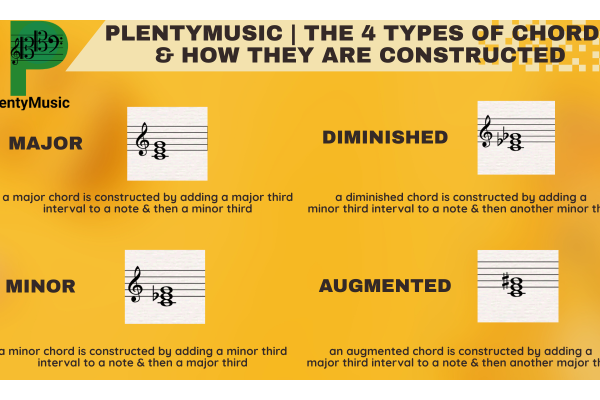
Minuet and Trio in A arr. flute & piano| Schubert F.
Another hidden treasure from one of the great melodists of music history
Minuet in A D.334 piano A (55bpm 256kbps)
Minuet in A D.334 piano A (56bpm 256kbps)
Minuet in A D.334 piano A (57bpm 256kbps)
Minuet in A D.334 piano A (58bpm 256kbps)
Minuet in A D.334 piano A (60bpm 256kbps)
The Minuet is performed without the written repeats sounding in the realisation. This is a quite enchanting movement demonstrating how much Franz Schubert related to chamber music playing. The arrangements keep close to Schubert’s original score although when necessary there are some octave transpositions to keep to a convenient range of the solo instrument. The falling melodic shape / motif at the end of the Minuet is a lovely challenge for performers to deliver with delicacy and musicality. Whilst originally a solo work for piano it is an excellent movement for developing an understanding of musical texture from the historical period around 1820. The music editor suggests a one to the bar feel in performance. A tempo of 56 dotted half notes (minim) beats to the bar is used in the realisation. One of the most challenging aspect of performing this Minuet is distinguishing the notes that are tied from the ones that are slurred. Players should be aiming for a legato in their playing and the avoidance of any exaggerated playing. The playing challenge is to communicate the simplicity of the movement as musically as possible. Composers are often in their “best to understand” mode in what many might consider are relatively easy pieces of music to play. Simplicity is often when they are at their clearest and this can be revealing in understanding and making sense of how to play more challenging works. This work was originally composed for piano with the suggested date for the composition being 1816 establishing it as the work of a teenager. Piano accompaniments with the score repeats played, are available, over a range of tempi and are available as mp3 downloads. No pedalling is indicated in the music score although its use is appropriate. The pedalling should not be too heavy and pedal points should relate to changes in the harmony. The tempo of the minuet and the trio section is the same in the realisation. This is not always the case in Minuet and Trio playing. This is one of those hidden gems in the music repertoire that needs to played and become known by instrument players and audiences. An ideal concert even encore movement. there are many arrangements to be discovered on the PlentyMusic website. A part for the flute is appended to the full score in the pdf download.
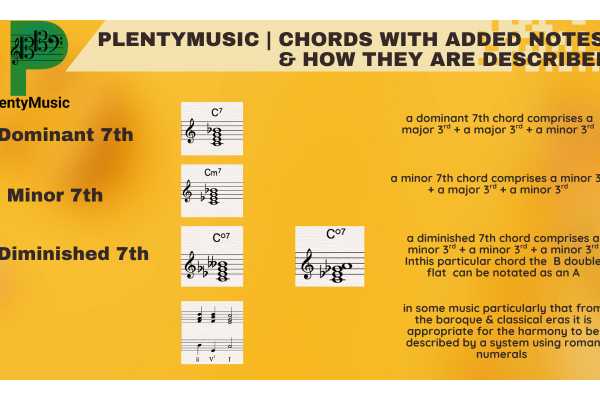
Traümerie (Dreaming) arr. flute & piano | Schumann R.
A reflective slow movement from a composer who strongly identifies with the romantic spirit of the 19th century
Traumerie piano F (58bpm 256kbps)
Traumerie piano F (60bpm 256kbps)
Traumerie piano F (62bpm 256kbps)
Traümerie (Dreaming) was originally a piano work from Robert Schumann's Scenes of Childhood Opus 16 published in 1838. It is a very familiar piece from the romantic repertoire suited to being played by many instruments as a solo accompanied either by the piano or various forms of ensemble. There are wide tempo variations in performances of the work and I would suggest listening to different solo instruments and piano recordings. The challenge in a performance is to combine the beauty of the melody with a beauty of tone of the instrument which is being played with a sense of space and an understanding of the time elements that exist in music. Understandably because this is a piece of music from the romantic repetoire is a very emotional piece of music which can both be communicated well and also on occasions insensitively. It is excellent piece for broadening performing experience where players need to show sensitivity to the acoustic and the the best performances of this work tend not to be rushed. Whatever instrument is being played the original piano score is worth a study of its own. Players need to linger particularly on the dotted quarter notes (crotchets) and pianists will need to make use of the sustaining pedal. The harmonic language is at times quite chromatic with diminished seventh chords featured.

Chanson Triste arr. flute, acoustic guitar & bass | Tchaikovsky P.I.
A song without words with a sad melody presented with a contemporary accompaniment
Chanson Triste | acoustic guitar & upright bass (094bpm 128kbs)
Chanson Triste | acoustic guitar & upright bass (096bpm 128kbs)
Chanson Triste | acoustic guitar & upright bass (098bpm 128kbs)
Chanson Triste | acoustic guitar & upright bass (100bpm 128kbs)
Chanson Triste | acoustic guitar & upright bass (102bpm 128kbs)
Chanson Triste | acoustic guitar & upright bass (104bpm 128kbs)
Tchaikovsky’s Chanson Triste arranged for flute, acoustic guitar & bass. Accompaniments featuring the acoustic guitar & bass are available playing at 94, 96, 98, 100, 102 & 104 quarter note (crotchet ) beats per minute giving the flautist opportunity to practice in an ensemble context as part of practice routines
Individual instrument parts are appended to the full score. The music editor envisages a crossover approach when playing this arrangement possibly combining electric and acoustic instruments. Tchaikovsky composed many beautiful melodies and was a master of harmony often presenting music melancholy in mood. The arrangement can also be played in a swing style. Listen to this option on the website.
The realisation plays back at 100 quarter note (crotchet) beats to the minute. In a playing context a slower tempo can be considered.
In the arrangement there are a number of octave transpositions in the bass part. In the guitar part 4 notes generally sound in the realisation although the chord symbols in place may indicate/suggest more than 4 notes to be played. The chords suggested are generally in first position and there is some flexibility as to the number of notes that can be sounded. Chords are described referencing the bass note that is played although it may not be a note actually being played by the guitarist. TAB scores are also in place. In the middle section the guitarist is required musical lines and so the chord notation has been omitted.
One of Tchaikovsky’s most popular pieces composed in 1878 for piano this arrangement for flute, guitar & bass is in the key of A minor. It is a ternary form ABA movement in a reflective melancholy mood.
It has a regular phrase structure and the melodic line needs to be played with a singing legato.
When performing the music be aware that tempo changes particularly at the end of phrases are appropriate. The music needs to be delivered with expression and a broad range of dynamics.
Playing the A minor scale in both the harmonic and melodic forms would be excellent preparation for playing this intermediate level work.
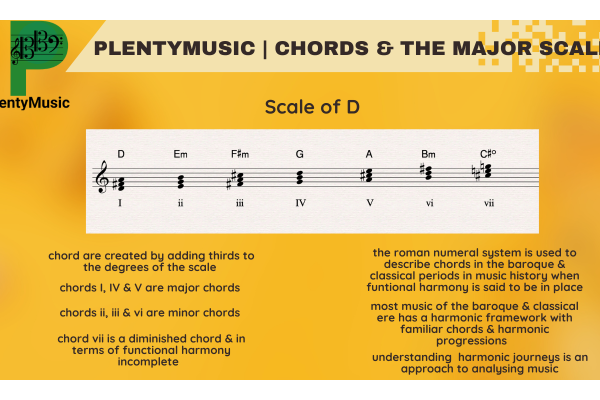
Valse Sentimentale arr. flute & piano | Tchaikovsky P.I.
Tchaikovsky again in excelling as a melodist with this wistful often melancholy waltz
Valse Sentimentale piano A flat (40bpm 256kbps)
Valse Sentimentale piano A flat (42bpm 256kbps)
Valse Sentimentale piano A flat (44bpm 256kbps)
Valse Sentimentale piano A flat (46bpm 256kbps)
An intermediate level arrangement for flute and piano of a shortened encore version of Tchaikovsky’s Valse Sentimentale Opus 51 No.6 In this cut down version an alternative ending is provided which simplifies Tchaikovsky’s original cadenza like coda. Formally this short version of the movement can be described as in ternary form ABA with a short coda as a closing section. Originally composed as a piano solo and dating from 1882 it is described as salon music intended in its time to be performed as drawing room music rather than in the concert hall. This is music ideally suited to being performed in intimate surrounds. As a movement a waltz needs to have a one in the bar feel to it rather than three beats to the bar. The realisation plays back at 44 dotted half notes (minim) beats to the minute. It is a movement that requires subtle changes of tempo in the tempo rubato sense. The waltz is a dance and as much of Tchaikovsky’s music is associated with ballet, the Valse Sentimental needs to played with an awareness of movement. The music needs to glide or ebb and flow. If played strictly in time the music becomes quite dull. A movement that is excellent for developing an understanding of performance practice in the romantic / late romantic tradition. A perfect movement to understand how to manage tempo in music in the playing sense and to understand how rubato should work and be used in a music performance. The melody needs to be played legato. Players should be working to improve both the intonation and quality of tone in their playing. Piano accompaniments are available playing at 40, 42 44 and 46 beats per minute where the beat is a dotted half note or minim. In the cadenza like coda beginning at bar where the music has a more dramatic quality and is marked meno mosso it is more practicable to approach this section with a three in the bar feel to the music.Use of the sustaining pedal is recommended by the piano accompanist but not indicated in the sheet music score apart from the first couple of bars. The music editor’s preference and recommendation is for minimal use the pedal. The bracketed notes are editorial and can be omitted. Tchaikovsky's exceptional gift as a composer apart from writing beautiful melodies and accompaniments is his ability to express a great range of moods from the happiest to the saddest moments in his music probably better than anybody else.
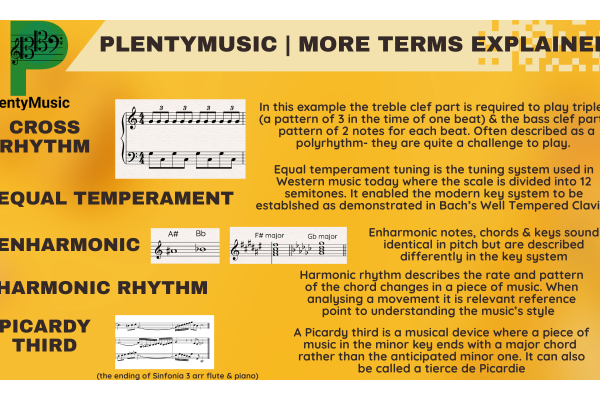
Neapolitan Song arr. flute & piano | Tchaikovsky P.I.
An uplifting melody from the composer's famous ballet "Swan Lake"
Neapolitan Song piano D (092bpm 128kbps)
Neapolitan Song piano D (096bpm 128kbps)
Neapolitan Song piano D (100bpm 128kbps)
Neapolitan Song piano D (104bpm 128kbps)
This is an arrangement for flute with piano accompaniment of Tchaikovsky’s Neapolitan Dance also familiar as a theme from one of the dances in Act III of Swan Lake. The musical material is very similar to that found in Tchaikovsky’s Children’s Album although the music has been arranged in 4/4 time and has a repeat whilst the piano accompaniment includes of some of the orchestral music countermelodies from Swan Lake. The tempo of the first section Allegro moderato in the realisation is at 96 quarter note (crotchet) beats to the minutes and for the Molto piu mosso section the tempo is 110 quarter note beats to the minutes. Often performers choose a slower tempo for the slower section and a faster one for the faster section. There is the option of playing the repeat an octave higher than written and the first note of the flute part is only sounded on the repeat. In the repeat there is additional instruction to accelerate towards the end of the movement but the music editor advises against this until the piece is known thoroughly by the soloist and well rehearsed with the accompanist. The accompanist may wish to edit the playing of the introduction by omitting the left hand chords and playing the octave lead in with separate hands or even more simply by starting at bar 5. A flute part is appended to the full music score in the pdf download.
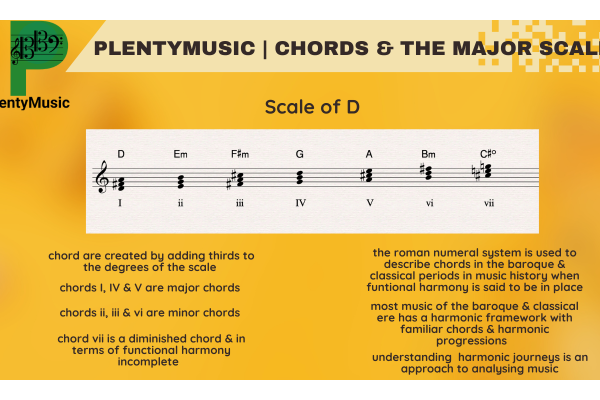
October arr. flute & piano | Tchaikovsky P.I.
A hauntingly beautiful arrangement of a slow tempo work from the composers "The Seasons"
October piano Em (58bpm 128kbps)
October piano Em (60bpm 128 kbps)
October piano Em (63bpm 128 kbps)
October (Autumn Song) is a composition that dates from 1876 and is in ternary form (ABA) work being part of a collection of 12 pieces by the composer known as “The Seasons.” This piece requires sensitive but at the same quite controlled playing – exaggerated dynamics and articulations need to be avoided. Many older scores of this work are filled with articulation markings that possibly don’t have the same relevance with modern instruments. It is quiet melancholy composition of great beauty with some sharing of melodic material between the voices which makes it an excellent ensemble piece. Some performers particularly in the triplet passage work at the end of the sections interpret the ties rather liberally. Understand that realisation whilst quite satisfactory does not demonstrate the range of tempo variation needed for a truly convincing performance. Rubato is very applicable when performing this music. The pause mark is also not well represented in the recording as it really needs to be much longer whist the small notes do not sound in the recording. The editor suggests listening to many of the excellent performances of this work. A flute part is appended to the full score. Piano accompaniments are available at tempi of (1) 63 (2) 60 (3) 58 quarter note (crotchet) beats to the minute. If a click track is required during the cadenza section bar 32 – 33 please advise the PlentyMusic office.